Portable Air Ionizer vs Air Purifier: What’s the Real Difference?
If you’re trying to improve air quality in your home, car, or while traveling, you’ve probably come across two popular options: portable air ionizers and air purifiers.
They’re often grouped together — but they work very differently and serve different needs.
In this guide, we’ll break down the key differences between portable air ionizers and air purifiers, explain how each works, and help you decide which option is best for your situation.
What Is a Portable Air Ionizer?
A portable air ionizer is a compact, filterless device that releases negative ions into the air. These ions attach to airborne particles like dust, pollen, and light allergens, causing them to clump together and fall out of the air.
Common forms include:
Wearable ionizer necklaces
USB-powered car ionizers
Small desk or travel ionizers
Portable ionizers are designed for personal or small enclosed spaces, not entire rooms or homes.
What Is an Air Purifier?
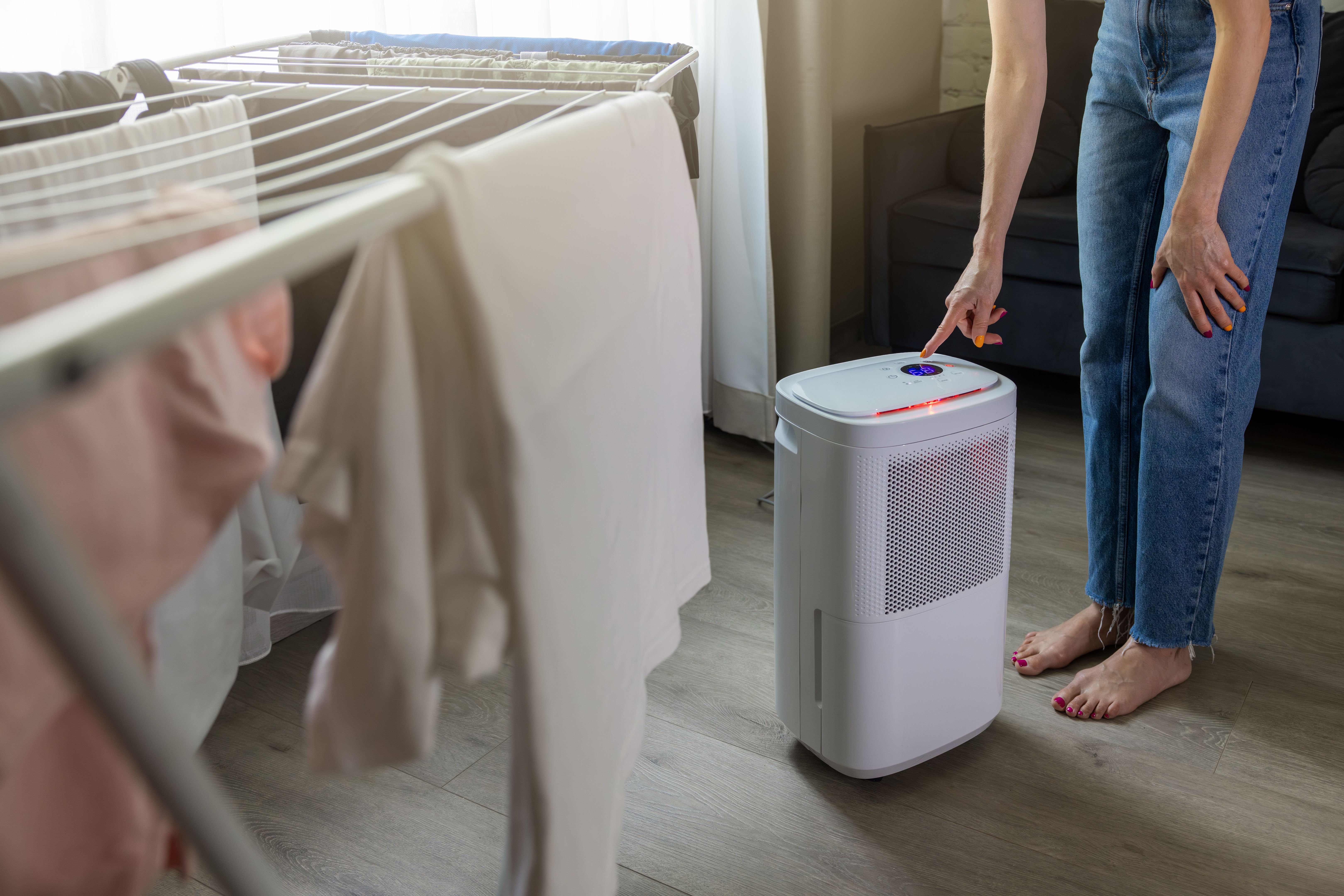
An air purifier is a device that physically removes particles from the air using filters — most commonly HEPA filters.
Air purifiers typically remove:
Dust and pollen
Pet dander
Mold spores
Smoke particles
Fine particulate matter (PM2.5)
They are available in many sizes, from small desktop models to large units designed for entire rooms or homes.
How Each Technology Works
Portable Air Ionizer
Releases negatively charged ions
Causes particles to clump and settle
Does not trap or remove particles
No filters required
Air Purifier
Pulls air through one or more filters
Physically captures particles
Requires periodic filter replacements
Actively circulates air
Key Differences at a Glance
Portable Air Ionizer:
Best for: travel, cars, desks
Very compact and lightweight
Low energy use
Minimal maintenance
Modest air quality improvement
Air Purifier:
Best for: rooms, homes, allergies
Larger and heavier
Higher power consumption
Requires filter changes
Strong and measurable filtration
Which Is More Effective?
When it comes to actual particle removal, air purifiers are clearly more effective. HEPA filters are proven to capture up to 99.97% of fine particles.
Portable air ionizers, on the other hand:
reduce airborne particles gradually
work best in small, enclosed spaces
are not suitable for smoke-heavy or highly polluted environments
They are best viewed as supplemental devices, not primary air cleaners.
Portability and Convenience
This is where portable air ionizers shine.
Extremely easy to carry
Often wearable or USB-powered
Silent or nearly silent
No filters to replace
Ideal for travel and daily commuting
Air purifiers, even small ones:
take up more space
require a power outlet
need regular maintenance
Maintenance and Cost
Portable Air Ionizers:
No filters
Very low long-term cost
Minimal maintenance
Air Purifiers:
Filter replacements every 3–12 months
Higher long-term ownership cost
Better performance overall
Safety Considerations
Some air ionizers produce trace amounts of ozone, usually within manufacturer safety limits. However, people with asthma or respiratory sensitivity should always check specifications carefully.
Air purifiers with HEPA filters do not produce ozone and are generally considered safer for long-term indoor use.
Which One Should You Choose?
Choose a portable air ionizer if:
you want a lightweight, travel-friendly option
you need air improvement in a car or personal space
you prefer a filterless, low-maintenance device
Choose an air purifier if:
you need strong allergen or smoke removal
you’re treating a room or home environment
you want measurable filtration results
Many users actually use both — an air purifier at home and a portable ionizer while traveling.
Recommended Portable Air Ionizers
If you’re leaning toward portability and convenience, we’ve compared several popular options designed for travel, cars, and personal use.
👉 See our recommended portable air ionizers here
Frequently Asked Questions
Are portable air ionizers as good as air purifiers?
No. Air purifiers are more effective at removing particles, while ionizers offer modest improvement in small spaces.
Can I use a portable ionizer instead of an air purifier?
Only for personal or travel use — not for rooms or homes.
Do air ionizers help with allergies?
They may help slightly with airborne particles but should not replace HEPA filtration for allergy sufferers.
Final Verdict
Portable air ionizers and air purifiers serve different purposes.
Air purifiers are stronger and better for serious air quality issues, while portable air ionizers offer convenience and light air improvement for people on the go.
Understanding these differences helps you choose the right tool — and avoid unrealistic expectations.
Further Reading
Do Portable Air Ionizers Actually Work? Science, Benefits & Limitations
Top Portable Air Ionizers for 2025 — Reviews and Recommendations
Visit our Homepage to Learn More