Do Portable Air Ionizers Actually Work? Science, Benefits & Limitations
Portable air ionizers have become increasingly popular among travelers, commuters, and people looking for cleaner air in small spaces. You’ll often see them marketed as wearable air purifiers, car ionizers, or mini devices that promise fresher air on the go.
But do portable air ionizers actually work — or are they just another gadget with exaggerated claims?
In this guide, we’ll explain how portable air ionizers work, what science and real-world testing say about their effectiveness, and who they’re best suited for. We’ll also cover their limitations so you can decide whether one makes sense for your needs.
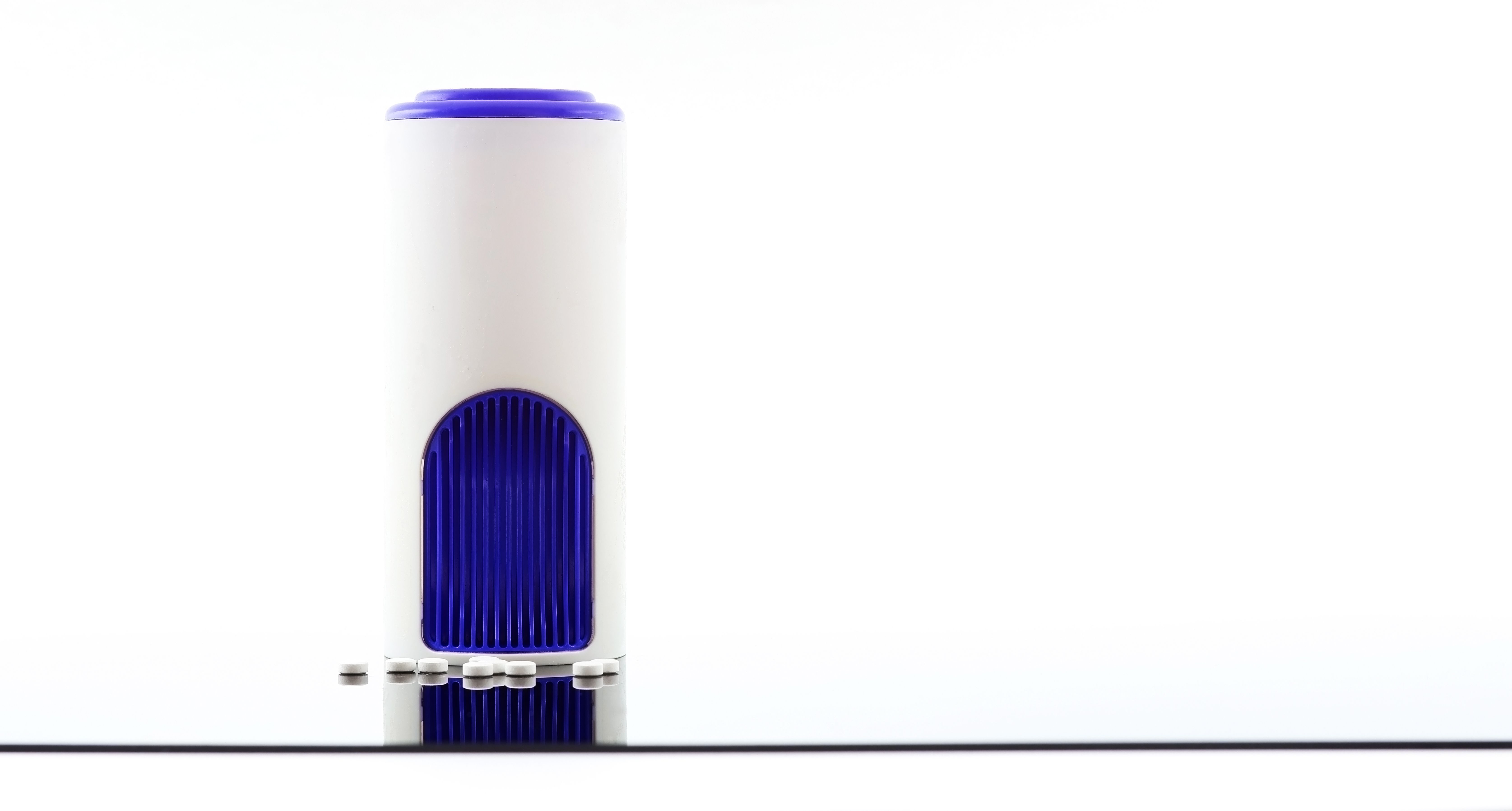
What Is a Portable Air Ionizer?
A portable air ionizer is a small, compact device designed to improve air quality in personal or enclosed spaces. Unlike traditional air purifiers, portable ionizers usually do not use filters. Instead, they rely on ionization technology.
Common forms include:
Wearable ionizer necklaces
USB-powered car ionizers
Desk or travel-sized ionizers
They’re designed for convenience, low power consumption, and quiet operation rather than whole-room purification.
How Do Portable Air Ionizers Work?
Portable air ionizers work by releasing negatively charged ions into the air. These ions attach to airborne particles such as dust, pollen, and other light pollutants.
Once charged, these particles:
clump together
become heavier
fall onto nearby surfaces instead of staying airborne
This process can reduce the number of particles floating in the air, especially in small, enclosed spaces like cars or offices.
Important: Ionizers do not physically remove particles from the environment — they cause them to settle. This is very different from HEPA air purifiers, which trap particles in a filter.
Do Portable Air Ionizers Actually Improve Air Quality?
The short answer: Yes, but with limitations.
Studies and product tests suggest that portable air ionizers can reduce airborne particles in small spaces over time. Some independent tests show 30–50% reductions in airborne particles in compact environments after extended use.
However, results depend heavily on:
room size
airflow
ion output
placement of the device
They are not effective for large rooms or heavy pollution (smoke, strong odors, or pet dander in open areas).
Benefits of Portable Air Ionizers
Portable air ionizers are popular for several practical reasons:
Compact & travel-friendly – easy to carry or wear
Filterless design – no replacement filters required
Low energy consumption – often USB-powered
Quiet operation – suitable for sleeping or driving
Affordable entry point – lower cost than full air purifiers
These benefits make them appealing for personal use rather than whole-home purification.
Limitations You Should Know
Portable air ionizers are not a magic solution. Some important drawbacks include:
They do not trap or remove particles
Effectiveness is limited to small, enclosed spaces
Performance varies between models
Some produce very small amounts of ozone (usually within manufacturer safety limits)
Surfaces may need more frequent cleaning due to particle settling
They work best when expectations are realistic.
Who Should Use a Portable Air Ionizer?
Portable air ionizers may be useful for:
Frequent travelers
People who spend a lot of time driving
Office or desk workers
Those sensitive to dust or light allergens
Users looking for a supplement, not a replacement, for air purification
They are not ideal for people needing medical-grade air cleaning or large-room coverage.
Portable Air Ionizer vs Mini Air Purifier
Portable Air Ionizer:
Uses ionization
No filters
Best for very small spaces
Low maintenance
Mini Air Purifier:
Uses HEPA or similar filters
Physically traps particles
Requires filter replacements
More effective, but bulkier
If portability and simplicity matter most, ionizers have an advantage. For stronger filtration, mini air purifiers are better.
Best Portable Air Ionizers (Quick Picks)
If you’re considering one, we’ve reviewed and compared several popular options designed for travel, cars, and personal use.
Frequently Asked Questions
Are portable air ionizers safe?
Most consumer models operate within safety guidelines, but users sensitive to ozone should check manufacturer specifications.
Do wearable air ionizers really work?
They can reduce airborne particles very close to the user, but results are subtle and space-dependent.
Can I use a portable ionizer in my car?
Yes — cars are one of the most effective environments due to limited space.
Do ionizers remove dust completely?
No. They cause dust to settle rather than trapping it.
Final Thoughts
Portable air ionizers do work — within their limits. They can help reduce airborne particles in small, enclosed spaces and are best used as a personal air quality supplement rather than a full purification system.
If you’re looking for a lightweight, low-maintenance option for travel, cars, or desk use, a portable air ionizer may be worth considering.
Further Reading
Portable Air Ionizer vs Air Purifier: What's the Real Difference
Are Portable Air Ionizers Safe? What You Need to Know
Top Portable Air Ionizers for 2025 — Reviews and Recommendations