Air Ionizer vs Air Purifier: What's the Difference?
If you've been shopping for a way to improve your indoor air quality, you've probably run into both terms: air ionizer and air purifier. They sound similar. Some products even claim to be both. But they work in fundamentally different ways — and choosing the wrong one for your situation means wasted money and disappointing results.
This guide breaks down exactly how each technology works, what it's good at, where it falls short, and which one you should buy depending on your needs.
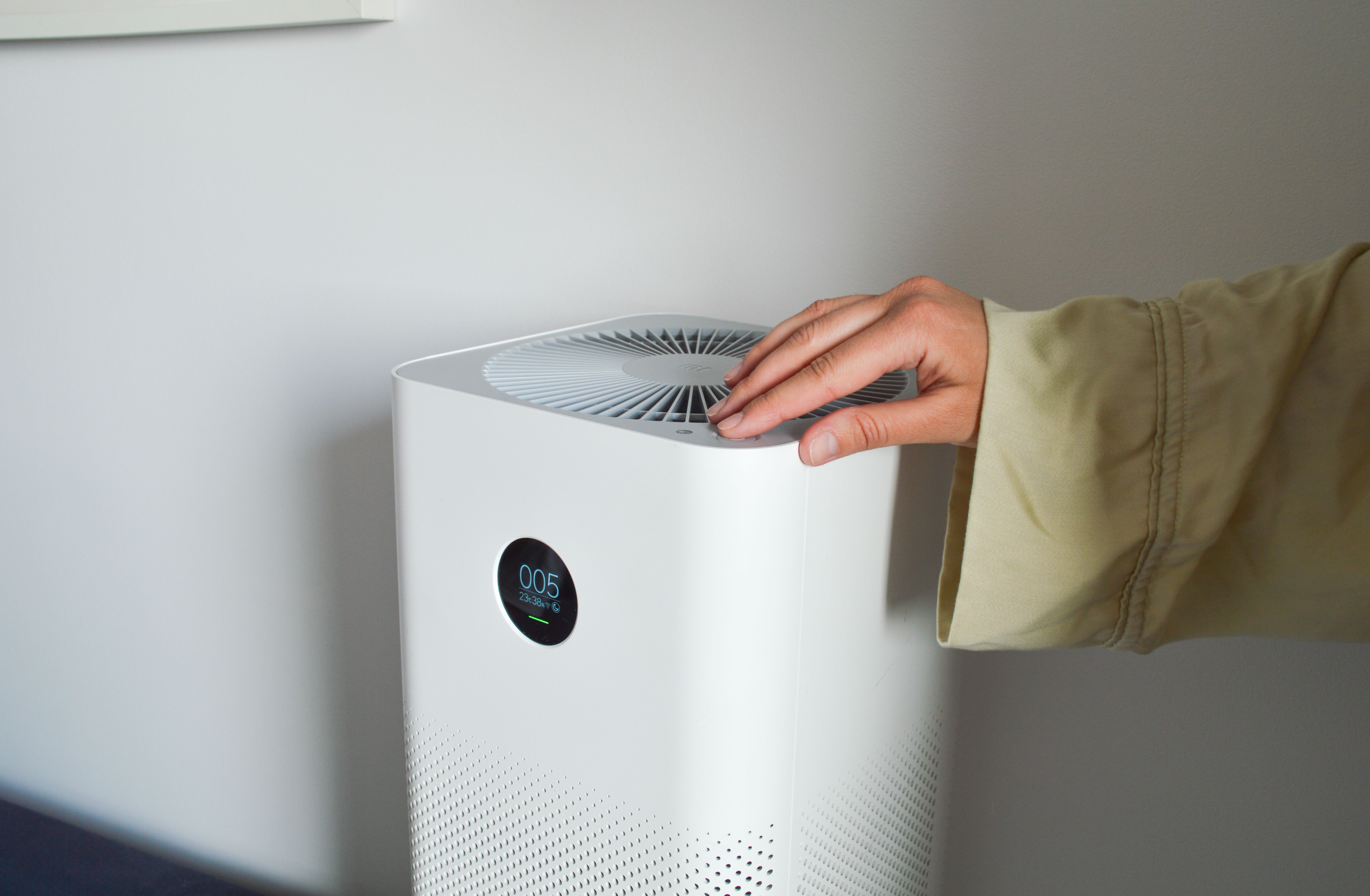
How an Air Ionizer Works
An air ionizer generates negatively charged ions and releases them into the surrounding air. These negative ions attach to positively charged airborne particles — dust, pollen, smoke, pet dander, bacteria — and cause them to become too heavy to stay suspended. They fall out of the air and settle onto nearby surfaces, or are drawn back into the device via an electrostatic collector plate.
The key point: ionizers don't trap particles — they displace them. The pollutants still exist in the room; they've just moved from the air to your surfaces. This means you'll need to wipe down surfaces more regularly in a room with an active ionizer.
Some ionizers also produce a small amount of ozone as a byproduct. Ozone at low levels is harmless, but sensitive individuals — those with asthma, allergies, or respiratory conditions — may notice irritation. Always check the ozone output rating before buying.
Ionizers are best for: personal use, small enclosed spaces, travel, cars, and desks. Their compact, often filterless design makes them ideal for portability.
👉 See our top portable ionizer picks on Amazon
How an Air Purifier Works
An air purifier works by physically drawing air through a series of filters. The most effective type — and the gold standard for home air purification — is a HEPA filter (High Efficiency Particulate Air). A true HEPA filter captures 99.97% of particles as small as 0.3 microns, including dust mites, mold spores, pollen, and most bacteria.
Many air purifiers also include a pre-filter for larger particles and an activated carbon filter for odors and VOCs — volatile organic compounds from paint, cleaning products, and cooking. Higher-end models may combine HEPA with UV-C light to neutralize viruses and bacteria.
The key point: air purifiers physically capture and contain particles. The pollutants are trapped inside the filter — not redistributed around the room. This makes them more thorough for whole-room purification.
The tradeoff: filters need to be replaced regularly (typically every 6–12 months), adding ongoing cost. Air purifiers are also bulkier and louder than ionizers, and they require a power outlet.
Air purifiers are best for: living rooms, bedrooms, offices, and any space where you want comprehensive air cleaning over a larger area.
👉 Browse top-rated HEPA air purifiers on Amazon
Key Differences at a Glance
How it cleans
Air Ionizer: Charges and drops particles
Air Purifier (HEPA): Filters and traps particles
Filter required
Air Ionizer: Usually no
Air Purifier: Yes
Ongoing cost
Air Ionizer: Low
Air Purifier: Medium (filter replacements)
Portability
Air Ionizer: Excellent
Air Purifier: Limited
Room coverage
Air Ionizer: Small spaces only
Air Purifier: Small to large rooms
Noise level
Air Ionizer: Very quiet or silent
Air Purifier: Quiet to moderate
Ozone output
Air Ionizer: Trace amounts possible
Air Purifier: None (HEPA only)
Best for
Air Ionizer: Travel, car, desk, personal use
Air Purifier: Home, bedroom, office
Which One Should You Buy?
The honest answer is: it depends on where and how you want to use it.
Choose an air ionizer if:
- You travel frequently and need something compact and portable
- You want to purify the air in your car, at your desk, or in a hotel room
- You want a low-maintenance, filterless option
- You're on a tight budget
Choose an air purifier if:
- You want to clean the air in a full room — bedroom, living room, or home office
- You have allergies, asthma, or respiratory sensitivities
- You want particles physically removed from the air rather than just displaced
- You have pets or live in a high-pollution area
Consider using both if:
- You want whole-home coverage (air purifier) plus personal protection on the go (ionizer)
- You have severe allergies or asthma and want maximum protection in multiple environments
Can an Air Ionizer Replace a HEPA Purifier?
For most people in most situations — no. A HEPA air purifier is more thorough. It physically traps particles and removes them from circulation entirely. An ionizer is a complement to good ventilation and surface cleaning, not a substitute for real filtration.
That said, for personal use in small spaces — especially when traveling or commuting — a quality ionizer punches well above its weight. You're not going to carry a HEPA purifier onto a plane or clip it to your car vent. That's where ionizers genuinely shine.
What About Combination Devices?
Several manufacturers now offer hybrid units that combine HEPA filtration with built-in ionization. These give you the best of both worlds — physical particle capture plus the extra boost of negative ions. They tend to cost more but eliminate the need to buy two separate devices for home use.
👉 Browse hybrid HEPA + ionizer units on Amazon
The Bottom Line
Air ionizers and air purifiers are both legitimate tools for improving air quality — but they serve different purposes. An ionizer is your best friend when you're on the move or working in a small space. A HEPA purifier is the right choice when you want serious whole-room air cleaning at home.
Understanding the difference means you buy the right tool for the right job — and actually breathe cleaner air as a result.
If you're primarily looking for something portable and travel-friendly, check out our top portable air ionizer picks — we've reviewed and ranked the best compact models available in 2026.